SOLO Wilderness First Responder (WFR) with Train NEK
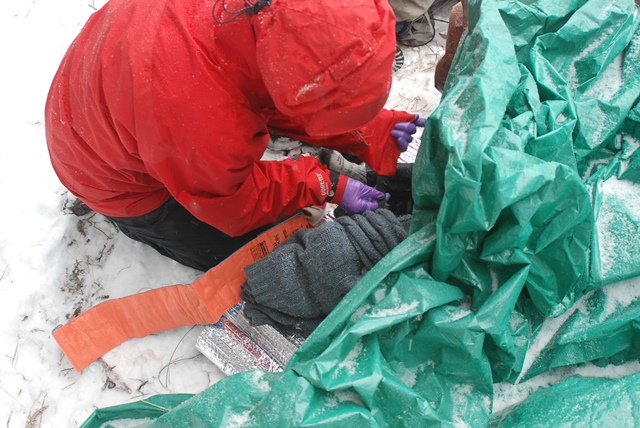
Join us in the beautiful Mad River Valley of Central Vermont to earn your SOLO Wilderness First Responder. All our WFR courses cost $800 ($750 for NEK residents paying by local check).
UPCOMING WFR DATES
(Courses crossed out below have filled.)
WEEKENDS ONLY Saturday, November 14 to Sunday, December 13, 2026 (Franconia, NH)- WEEKENDS ONLY Saturday, January 2 to Sunday, January 24, 2027 (Moretown, VT)
REGISTRATION AND PAYMENT
Save money! Mail a note with COURSE TITLE and START DATE, STUDENT NAME, EMAIL and PHONE # and a check for $800 ($750 for NEK residents paying by local check) to WILLOUGHBY GRIT OUTDOOR CENTER, LLC, PO BOX 456, MORETOWN, VT 05660. We’ll email confirmation when your check is received. You can ALWAYS call or email us first to ask that we hold your spot.
OR
Follow the links below to pay by credit card (additional Eventbrite fee applies). NOTE: Train NEK has a no-questions-asked refund policy for refunds requested prior to course start, but Eventbrite might not refund their fees. We recommend paying by check if your plans are uncertain.
Eventbrite link for Weekends ONLY, Saturday, January 2 – Sunday, January 24, 2027

COURSE DESCRIPTION
WHO IS THIS COURSE FOR? The SOLO Wilderness First Responder (WFR) is ideal for anyone aged 18 and up wanting a high level of wilderness medical training for extended personal backcountry trips or expeditions, and anyone working in a position of leadership in an outdoor setting*. Generally taught over eight or nine days, this 72-hour course is recognized as the industry standard for outdoor professionals including river and mountain guides, search and rescue personnel, outdoor trip leaders, and others who expect to end up in remote settings with limited resources. (*Current medical providers might wish to take the five-day Wilderness Module for Healthcare Professionals instead.)
WHAT IS TAUGHT? The SOLO WFR takes a comprehensive and in-depth look at the standards and skills necessary for Prevention, Assessment and Treatment of Musculoskeletal Injuries, Environmental Emergencies, Soft Tissue Injuries, and Medical Emergencies. We include Packaging and Transporting Patients, Long-Term Patient Care, and Risk Management Considerations. Topics are covered far more extensively than can be done in the WFA, with additional topics such as CPR included, and more time for building muscle memory through hands-on practice. This course meets and exceeds all guidance from the Wilderness Medicine Education Collaborative. Importantly, by virtue of this being an in-person course, we’ll be practicing the art of human interaction in a dynamic environment – a skill set critical to being an excellent backcountry caregiver.
WHAT IS INCLUDED? Course cost includes engaging and personalized instruction, real-life interaction with fun and interesting human beings, textbook and training materials, and SOLO WFR and Advanced CPR certification fees.
Lodging and meals are not included in the cost of tuition. Directions, a packing list, and further details are sent to students upon registration.
HOW DO I RECERTIFY? WFR certification lasts for three years. You recertify your SOLO WFR by either taking a two-day SOLO WFR Refresher (preferred), or by taking a SOLO WFA course with some additional studying outside of class.
*NOTE: We hope you will choose Train NEK – but wherever you go to pursue your WFR, make sure the certification will be worth your time and money, with ample recertification opportunities. Check if the organization has reciprocity with any of the widely-recognized and highly respected schools working within Wilderness Medicine Education Collaborative guidelines (such as SOLO, AERIE, NOLS, WMA, and Desert Mountain Medicine).
WHAT SHOULD I BRING? WFR students are asked to bring a sleeping pad, sleeping bag, and clothing suitable for being active much of the day (i.e. rolling around on the ground pretending to be injured, and kneeling next to mock patients). You should also bring additional layers for warming and treating patients. Lodging and meals are not included in the cost of tuition. Directions and further details are sent to students upon registration.
DOES THE WFR COUNT AS CONTINUING EDUCATION? The WFR typically counts toward continuing education credits, depending on the certification you have. Street EMTs who take the WFR course may become certified as Wilderness EMTs. It is the student’s responsibility to confirm eligibility for Continuing Education Units with their governing body.
© Train NEK | Wilderness Medicine 2020